
Sohar, Oman
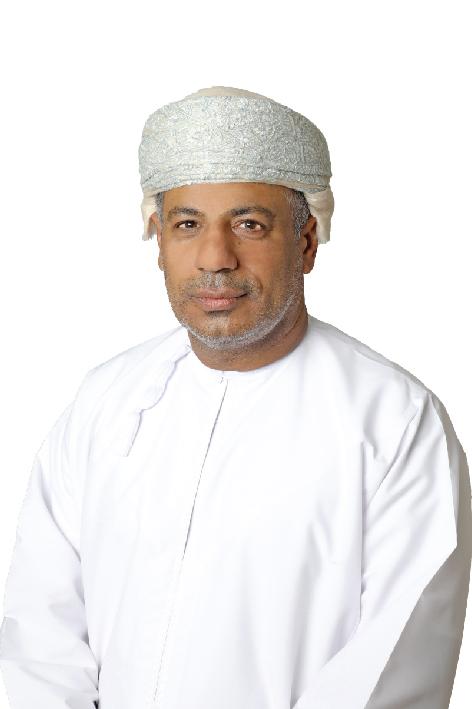
Hamdan Al Fazari
Vice Chancellor, Sohar University
Higher Education in the Arab World: Leveraging Artificial Intelligence to Drive Economic Development through Creative Research –- A Case Study of Sohar University, Oman
Hamdan Al Fazari
Sohar University, Sohar, Oman
Abstract
Higher Education in the Arab World: Leveraging Artificial Intelligence to Drive Economic Development through Creative Research –- A Case Study of Sohar University, Oman
This paper explores how higher education institutions in the Arab world can leverage artificial intelligence to advance economic development through creative, student-centered research, using Sohar University in Oman as a case study. In alignment with Oman's Vision 2040 transition toward a diversified, knowledge-based economy, universities are increasingly expected to graduate students who are not only AI-literate, but also capable of understanding core AI theories and applying them to address local industrial and societal challenges. At Sohar University, recent developments provide a timely context for examining this transformation. These include the strengthening of student-centered learning and research through the Teaching Research Nexus (TRN) approach, the introduction of AI and Cyber Security programs, the development of AI policies and guidelines, and the establishment of an Innovation Centre, alongside strategic investment in AI infrastructure and institutional reaccreditation processes. Within this setting, the study focuses on three student-centered initiatives: the integration of AI modules across non-STEM programs to enhance cross-disciplinary problem-solving skills; the "AI for Al Batinah" undergraduate research incubator, where students collaborate with SMEs, ports, and logistics companies in Sohar to develop AI solutions for supply chains, energy efficiency, and water management; and a capstone reform that replaces traditional theses with industry-linked AI projects evaluated based on creativity, impact, and commercialization potential. Drawing on preliminary findings from student surveys, graduate employment data, and project outcomes, the paper suggests that embedding AI within creative, research-driven learning environments enhances student employability, entrepreneurial mindsets, and contributions to regional economic diversification. It also examines the extent to which this approach supports the emergence of tech-based ventures and improves access to roles within Oman's growing digital economy. Overall, the study argues that Arab universities can replicate this model by aligning reaccreditation standards with AI pedagogy and student research ecosystems, thereby positioning students as active contributors to economic transformation rather than passive beneficiaries. The case of Sohar University demonstrates that when institutional strategy, AI infrastructure, and student engagement in research are effectively aligned, higher education can serve as a direct catalyst for sustainable development in the Arab world.
Biography
Hamdan Al Fazari
Dr. Hamdan Al-Fazari is the Vice Chancellor of Sohar University (Oman). He is an Associate Professor who holds a PhD, from the National Institute for Applied Sciences, Toulouse University, France, and an MBA Degree in Aerospace Management from the Toulouse Business School in France. He joined Sohar University in 2013 and was initially appointed as Pro-Vice Chancellor (Resources), before being promoted to Deputy Vice Chancellor (Resources) in 2018. He was appointed as the Vice Chancellor of Sohar University in January 2022. Dr. Hamdan was formerly a career officer in the Engineering branch of the Royal Air Force of Oman where he was acknowledged for his distinguished record of experience in engineering and leadership. He has held many senior management posts and has significant experience of successfully organizing strategic management initiatives within higher education and other sectors. In addition, he has a solid record of teaching, research, program and projects reviewing and assessment, PhD and Master degree supervision. He is also a member of several professional bodies and the Chair or member of committees at University, national and international level. These include membership of major key bodies such as External Reviewer at the OAAA&QAE in Oman, fellow of the Royal Aeronautical Society (RAeS), U.K and a member of the Journal for Global Business Advancement in the U.S.A.