
Amman, Jordan
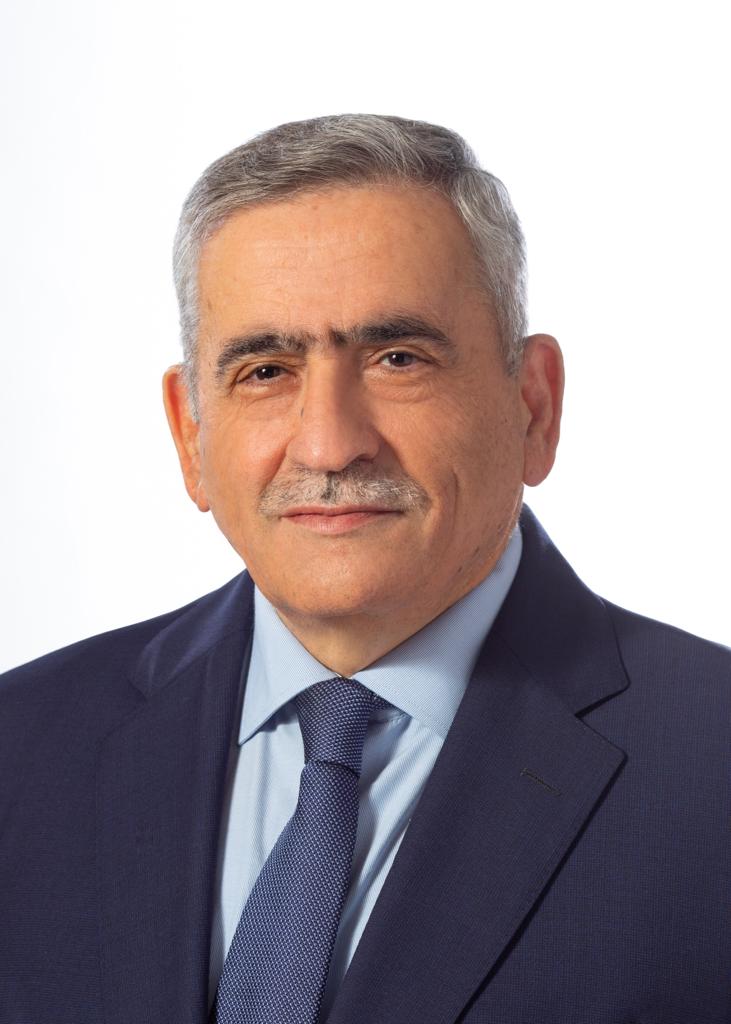
Nathir M. Obeidat
President, University of Jordan
Leveraging Artificial Intelligence to Steer Creative Research Towards Achieving Economic Development Goals in the Arab World
Mohammed A. Khasawneh, Nathir M. Obeidat, Rida A. Shibli, and Nael H. Thaher
University of Jordan, Amman, Jordan
Abstract
Leveraging Artificial Intelligence to Steer Creative Research Towards Achieving Economic Development Goals in the Arab World
Developed nations operate within well-established industrial models that are closely aligned with long-term national development strategies, including defense, security, and economic priorities. These models have traditionally acted as guiding frameworks that steer research agendas within universities and industrial institutions toward clearly defined and productive outcomes. As a result, strong alignment between industrial needs and academic research has contributed significantly to sustained innovation and the economic success of industrialized countries. In contrast, many developing regions, including Arab nations, often lack similarly integrated industrial models. This absence has contributed to fragmented research directions, where much of the academic output is driven by individual faculty efforts linked primarily to promotion requirements, rather than coordinated national priorities. Consequently, research activities are frequently disconnected from real industrial needs, leading to limited impact on economic development and a tendency toward sporadic, uncoordinated scholarly output. In this context, artificial intelligence presents a significant opportunity for developing countries to better align research systems with national development objectives in the era of the Fourth Industrial Revolution. AI can help identify institutional strengths and gaps, map them against strategic economic priorities, and guide more coherent research directions aligned with national agendas. It can also support the matching of research expertise with development needs, enabling more structured and impactful innovation ecosystems. Ultimately, this approach can contribute to the gradual emergence of viable industrial models that are better suited to the economic realities and aspirations of these nations.
Biography
Nathir M. Obeidat
Dr. Nathir Obeidat has been the President of the University of Jordan since 2020. He previously served as the Minister of Health in Jordan and as the official spokesperson of the National Epidemiological Committee, which was responsible for managing the COVID-19 response in Jordan. He was also the Dean of the School of Medicine at the University of Jordan. Dr. Obeidat was awarded a scholarship in Respiratory Medicine and Sleep Medicine from the University of Sydney in Australia in 2000. He obtained the Jordanian Board of Respiratory Medicine in 2002 and the Jordanian Board of Internal Medicine in 1994. Dr. Obeidat earned his Bachelor of Medicine and Surgery degree from Plovdiv Medical University in Bulgaria in 1985 and received a Master's degree in Internal Medicine from the University of Jordan in 1994.